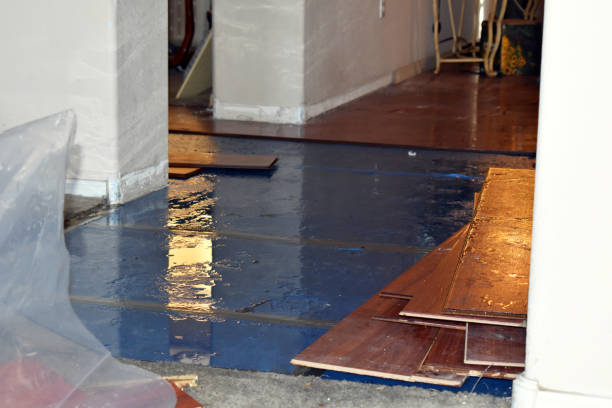
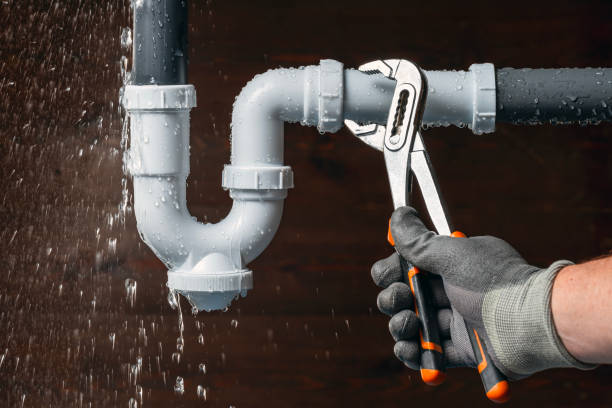
A washing machine hose lets go at 2am and suddenly your Plymouth laundry room is underwater — that's the exact moment our dispatch line is built for, with a technician routed before you've finished mopping the first puddle.
Call +1-844-578-1604
Avg. arrival under 60 minutes in Plymouth
Written estimate, no hidden line items
Licensed & insured, verifiable on request

Ask a Plymouth homeowner who's dealt with a burst pipe at 3am and, if they called us, they'll tell you the same thing: someone answered, and someone showed up. That's the whole model.
Our Plymouth dispatch desk is staffed around the clock by people, not an automated queue, which matters most at exactly the hour you're calling.
We also keep documentation formatted the way insurance adjusters actually want to see it, since most of our jobs end up crossing an adjuster's desk at some point.
Not every water problem announces itself with a flooded floor. Most start quietly, and catching one of these signs early is usually the difference between a same-day fix and a much bigger repair.
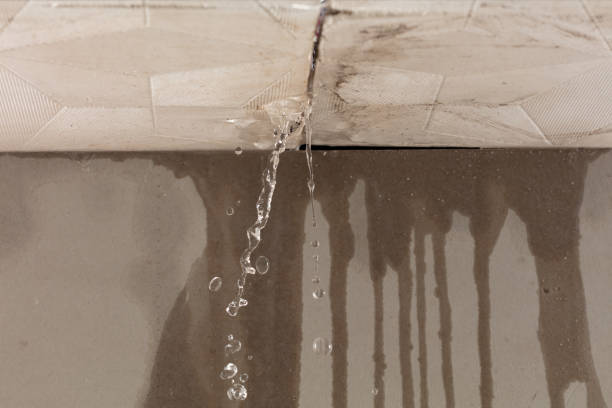
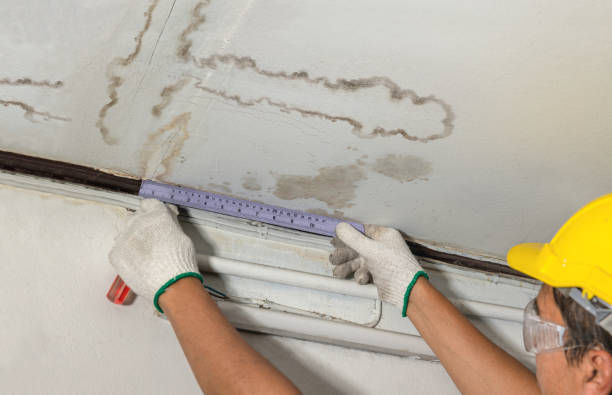
Repainting over a recurring ceiling stain treats the symptom, not the leak still feeding it from above or behind the surface. The stain returning is the actual diagnosis.
A smell that gets stronger after rain is a strong hint that groundwater or a foundation crack is letting moisture in during wet weather.
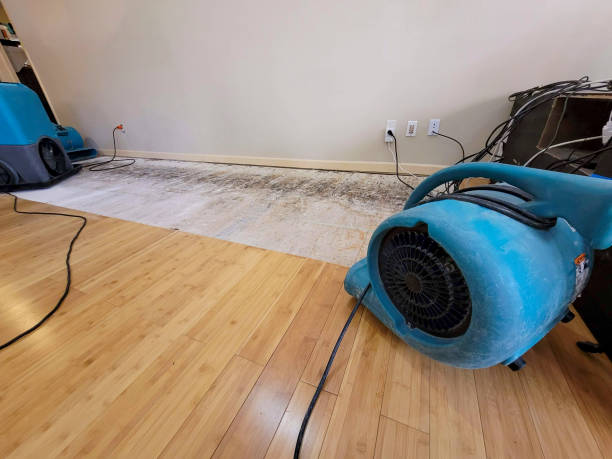
Hardwood cupping at the edges, laminate lifting at the seams, or carpet that stays spongy days after you last noticed water — all three point to moisture sitting against the subfloor.
A sudden increase in usage with no change in household habits is often the earliest sign of a slab leak, well before any visible water shows up.
Wallpaper that suddenly lifts at the seams after holding fine for years often signals a change in the humidity or moisture level inside that wall cavity.
Dark spotting around grout lines or window frames is frequently the first visible sign of a developing moisture problem.
Catching two or more of these signs at once usually means it's past time for a proper inspection.
Bouncing between an extraction company, a drying company, and a repair contractor is how small jobs turn into weeks-long headaches — we keep all three under one roof on purpose.
The equipment on our trucks scales up or down to the job, but the process — assess, extract, dry, verify, repair — doesn't change.
We treat extraction speed as the single biggest variable we control — every additional hour of standing water raises the odds of secondary damage.
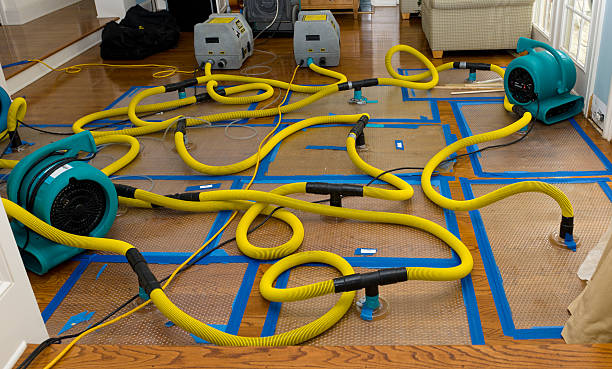
Air movers and dehumidifiers get placed according to psychrometric readings taken at assessment, not a default layout used on every job regardless of conditions.
Materials that had direct contact with contaminated water almost always come out rather than get dried in place — that's a safety call, not a cost-cutting one.
We treat the 48-hour mold window as a deadline for our own drying timeline, not a talking point.
Once moisture readings confirm the structure is dry, the same team that documented and dried the loss hands off directly into drywall, insulation, and flooring repair.
Specialized content cleaning often saves items that looked like a total loss at first glance, which keeps replacement costs off your claim.


This is the same sequence every job follows, whether it's a single flooded room or a full commercial loss.
Dispatch gathers just enough detail to load the right equipment before the truck leaves the lot.
Photo and moisture documentation happens before any equipment gets touched, which protects your insurance claim later.
Standing water comes out first with commercial extraction equipment, then air movers and dehumidifiers go to work based on the readings just taken.
Every affected area gets re-tested before we call the job complete — no shortcuts on the sign-off.
None of these four things matter in isolation — it's the combination of licensing, speed, honest pricing, and a real guarantee that actually changes the outcome of a water emergency.
Every technician carries IICRC certification, and every crew works fully insured — documentation available whenever you want it.
Shorter drive times matter most in the first hour after a loss, which is exactly when local staging pays off.
You get a written estimate before equipment turns on, not a surprise invoice after the fact.
Every job closes with a documented re-inspection, not a handshake and an invoice.
If our readings don't hit a safe drying standard on schedule, equipment stays running at our cost until they do — that's the bar we hold ourselves to.
Technicians aren't rewarded for closing jobs quickly, which keeps the incentive pointed at actually finishing the drying right.
Call +1-844-578-1604Whether your address sits in 4969 or a neighboring zip, the same crew and the same response standard applies.
Coverage extends past the city core into the surrounding Plymouth suburbs, so an outlying address isn't treated as a second-tier call.

"What stood out was how calm the technician stayed while explaining a genuinely stressful situation — that mattered more than I expected."
Renee A., Plymouth"They found mold starting behind our baseboards before it spread and handled containment properly instead of painting over it like a previous company tried."
Owen D., Plymouth"They didn't cut corners on the sanitization step even though it clearly slowed them down — with two kids in the house, that mattered to us."
Fatima J., Plymouth"Every cost question got a straight answer, even the awkward ones, which is more than I can say for the last two contractors I dealt with."
Lucas P., Plymouth"Getting a daily drying log meant we always knew where the job stood instead of a vague verbal update."
Grace T., Plymouth"They sectioned off the wet area instead of shutting down the whole office during drying, which kept us operating almost normally."
Nathaniel W., Plymouth"The technician explained exactly which boards needed to go and which tested dry enough to keep, so we didn't overpay for the repair."
Bianca H., Plymouth"Storm runoff got into our crawl space and the smell alone told us something was wrong. They found a failed vapor barrier and fixed the actual cause during the same visit."
Derek S., Plymouth"Our upstairs bathroom leaked into the kitchen ceiling below and the crew traced it back to a failed wax ring on the toilet, not just patched the visible ceiling stain."
Melissa C., Plymouth"Being out of town when it happened was stressful enough — having a crew that could work directly with our property manager made it manageable."
Victor N., Plymouth